
Monitoring and Evaluation of P2GP: Alimat and Hamzanwadi University Strengthen Commitment to Women's Protection
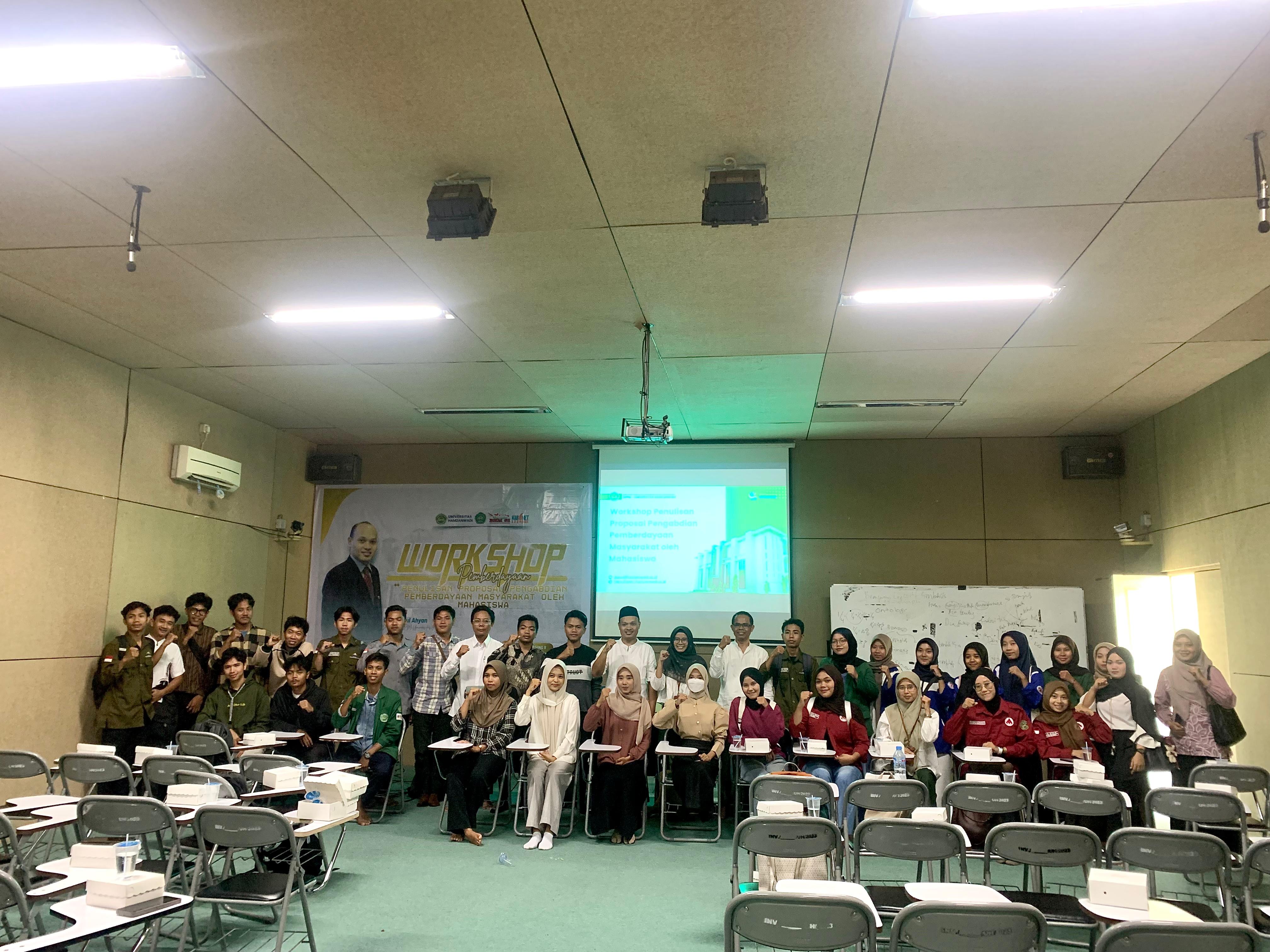
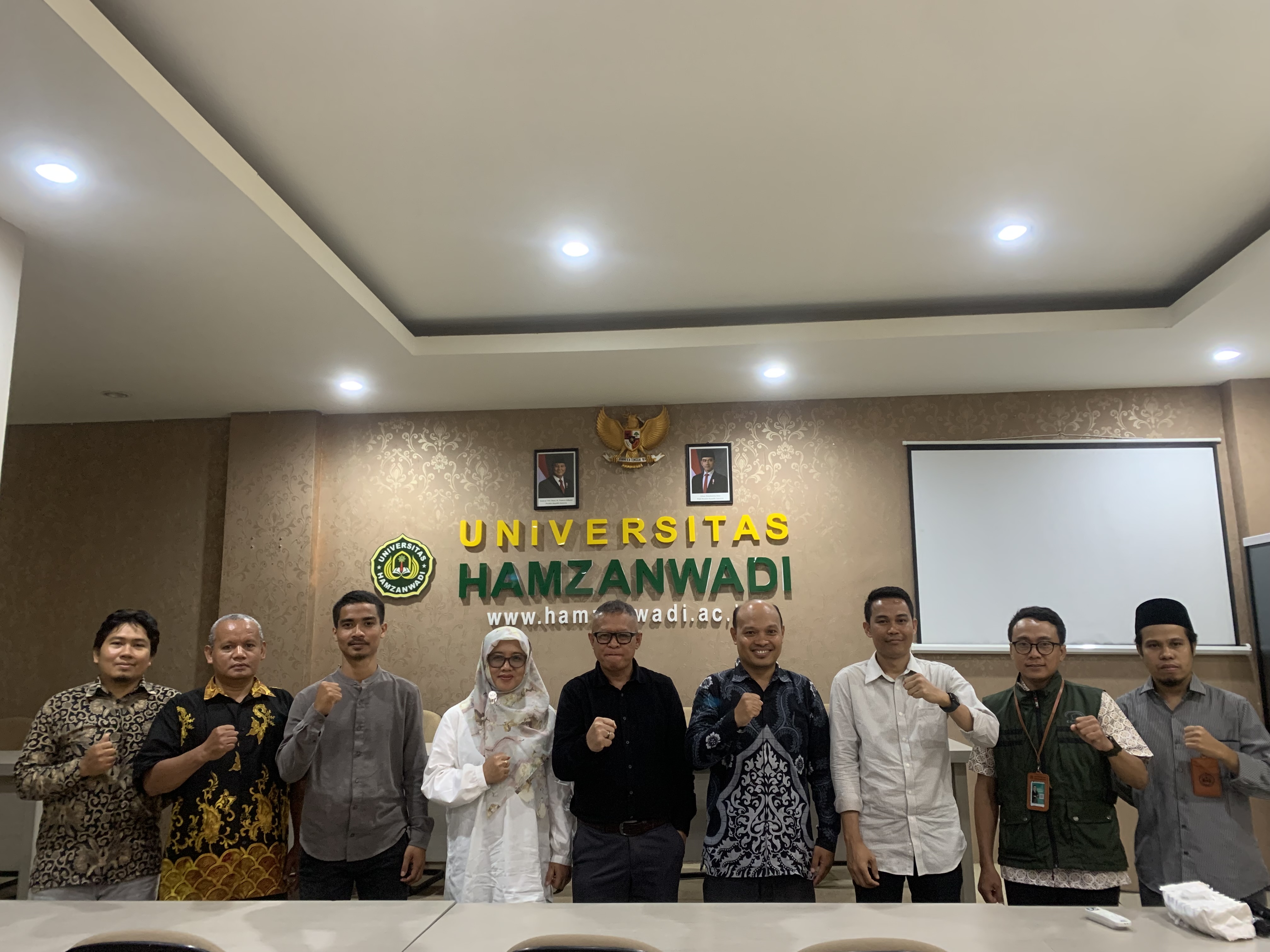
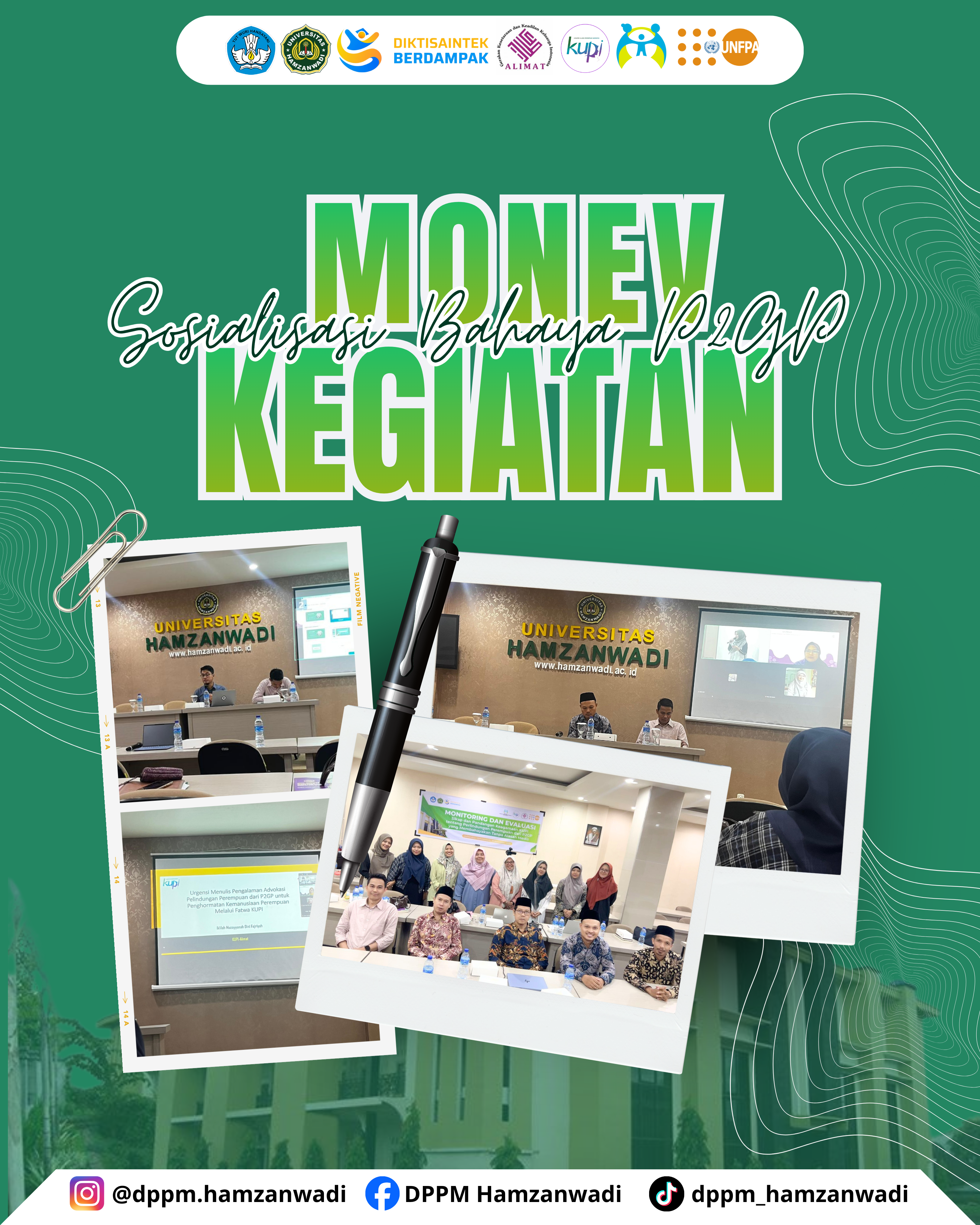
Pancor, November 18, 2025 — Alimat, in collaboration with the GEDSI Research and Development Center of Hamzanwadi University's DPPM, organized a Monitoring and Evaluation (M&E) session on the Socialization of the Dangers of P2GP from the Religious Perspective of KUPI (Indonesian Ulama Congress). The event, held in the Meeting Room of Hamzanwadi University, was attended by religious leaders (tuan guru), academics, and representatives of women's organizations to monitor the implementation of the previous P2GP socialization sessions.
In their opening remarks, the DPPM emphasized the importance of strengthening collaboration and making GEDSI (Gender Equality, Disability, and Social Inclusion) issues a priority for campus research and community service. Meanwhile, Alimat stressed the urgency of documenting field experiences as part of the movement for justice for women.
The experience-sharing session revealed various field findings from the participants. A representative from Muslimat reported that 48% of the respondents they encountered still practice female circumcision, considering it a religious teaching and a family tradition. Other Tuan Guru and academics added that the local practice, known as suci (purification), is still carried out through generations and is typically led by a traditional birth attendant or midwife.
In response to these findings, the East Lombok Indonesian Ulema Council (MUI) reaffirmed four crucial points: the practice may only be performed very lightly (symbolically), any cutting that causes injury is forbidden, it must be carried out by professional medical personnel, and risky traditional practices are not justified.
The advocacy perspective was strengthened by Dr. Iklilah Muzayyanah, who explained the importance of documenting P2GP advocacy experiences as part of the KUPI movement. She emphasized that writing is a silent revolution capable of amplifying women's voices and correcting power relations within Islamic knowledge. Furthermore, H. Mohammad Farid Zaini highlighted the importance of mainstreaming GEDSI in higher education, especially since gender disparities are still evident in leadership and academic roles. He affirmed that Hamzanwadi University is now the first university in East Lombok to have a formal GEDSI unit, which is being developed as a pilot project in partnership with KONEKSI.
The event concluded with a writing training session with a women's perspective, led by Prof. Alimatul Qibtiyah. She provided techniques for crafting strong, authentic, and women's body-experience-based advocacy narratives. With the completion of this M&E series, Hamzanwadi University and Alimat reaffirmed their commitment to strengthening the protection of women from P2GP practices through religious approaches, research, advocacy, and inclusive education. This collaboration is expected to be a crucial foundation for building a broader movement for change in East Lombok.